
Grief Counseling in Arvada, CO
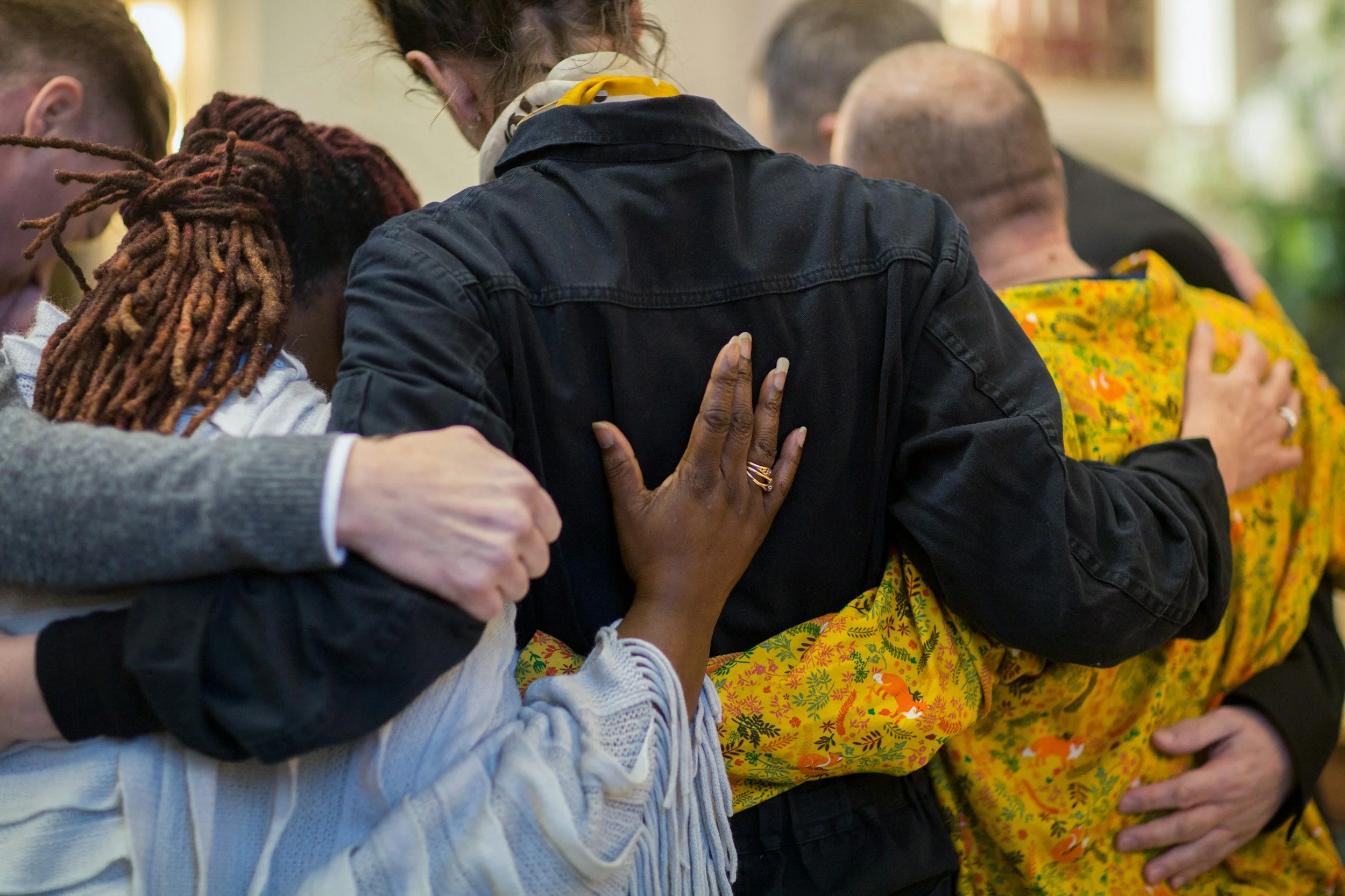
Grief can affect far more than how you feel after a loss. It can change your relationships, sense of identity, daily routines, and understanding of the future. Whether you are grieving the death of someone you love, the ending of a relationship, a major life transition, or a version of life you expected but did not get, you do not have to navigate that experience alone.
At Life Reimagined Therapy Group, our therapists provide compassionate, relational grief counseling for individuals, couples, and families. We create space to process what you are carrying, understand how loss is affecting you, and find ways to move forward while staying connected to yourself, your relationships, and what matters most to you.
Our Approach to Grief Therapy
At Life Reimagined Therapy Group, we do not view grief as something you need to simply "get over" or move past. Grief is a natural response to loss, and there is no single timeline or right way to experience it. Our work focuses on helping you make space for your grief while developing greater support, self-understanding, and connection as you adjust to what has changed.
Grief can affect your emotions, body, relationships, identity, and sense of safety in the world. Our therapists consider the larger context of your experience, including your relationships, attachment experiences, culture, history, support systems, and the meaning you make of your loss.
Therapy may help you process painful emotions, understand changes in your identity or relationships, and develop ways to carry grief with greater self-compassion. Rather than forcing resolution or asking you to "move on," we work collaboratively and at a pace that respects your individual experience.
Our therapists draw from evidence-informed, relational, and experiential approaches to support clients navigating grief and loss. The specific approaches used will depend on your goals, experiences, and the therapist you work with.
-
Attachment-based therapy can help you understand how relationships and past experiences shape the way you experience loss, connection, and emotional safety.
-
Emotionally Focused Therapy (EFT) can help individuals and couples identify underlying emotional needs and patterns of connection, particularly when grief is affecting a relationship.
-
Acceptance and Commitment Therapy (ACT) can support you in making space for painful emotions while remaining connected to your values and finding meaningful ways to move forward.
Who Can Benefit from Grief Therapy?
Grief counseling may be helpful for individuals, couples, and families who are:
Grieving the death of a loved one
Struggling after a breakup, divorce, or other relational loss
Navigating a major life transition or change in identity
Experiencing anticipatory grief or caregiver stress
Feeling emotionally overwhelmed, numb, disconnected, or stuck after a loss
Experiencing anxiety, depression, loneliness, or relational difficulties connected to grief
Adjusting to a new reality after a significant change
Grieving a relationship, opportunity, role, or version of life that did not unfold as expected
You do not need to have experienced a death to experience grief. Loss can involve relationships, health, identity, family roles, life expectations, or other meaningful parts of your life. If grief is affecting your relationships, emotional well-webing, or daily life, individual, couples, or family therapy may offer a place to process what you’re experiencing and find support as you adjust to what has changed.
Finding the Right Therapist For You
Grief can look very different from one person to another. Our therapists bring different experiences, perspectives, and therapeutic approaches to supporting clients through loss and significant change.
That's why we begin with a no-cost consultation. We take the time to understand what you are experiencing, what you are looking for in therapy, and what kind of support may be most helpful. From there, we thoughtfully match you with a therapist whose experience and approach align with your needs.
If it does not feel like the right fit, we will work with you to find someone who is, even if that means referring you outside our practice. That's our Therapy Match Guarantee.
Frequently Asked Questions
-
Grief can look different from person to person. You may experience sadness, anger, guilt, anxiety, numbness, loneliness, difficulty concentrating, changes in sleep or routines, or a sense of disconnection from yourself or others. Grief can also show up through changes in relationships or your sense of identity. You do not need to experience grief in a particular way for your experience to be valid or worthy of support.
-
Absolutely. Grief can follow many significant losses and changes. People may experience grief after divorce, a major life transition, changes in health, infertility, estrangement, changes in family roles, loss of identity, or the realization that a hoped-for future may not happen. Therapy can help you make space for these experiences and understand what the loss means to you.
-
Loss can affect how we communicate, connect, and respond to the people around us. Partners or family members may also grieve differently, which can create misunderstandings or distance. Therapy can provide a space to understand these differences, communicate emotional needs, and find ways to support one another while honoring each person's experience.
-
There is no universal timeline for grief. The experience can change over time, and grief may resurface during anniversaries, transitions, or other meaningful moments. Therapy is not about reaching a specific point where you are "done" grieving. Instead, it can help you develop ways to carry your loss while continuing to engage with your relationships, values, and everyday life.
Dosing sessions are not covered by insurance.