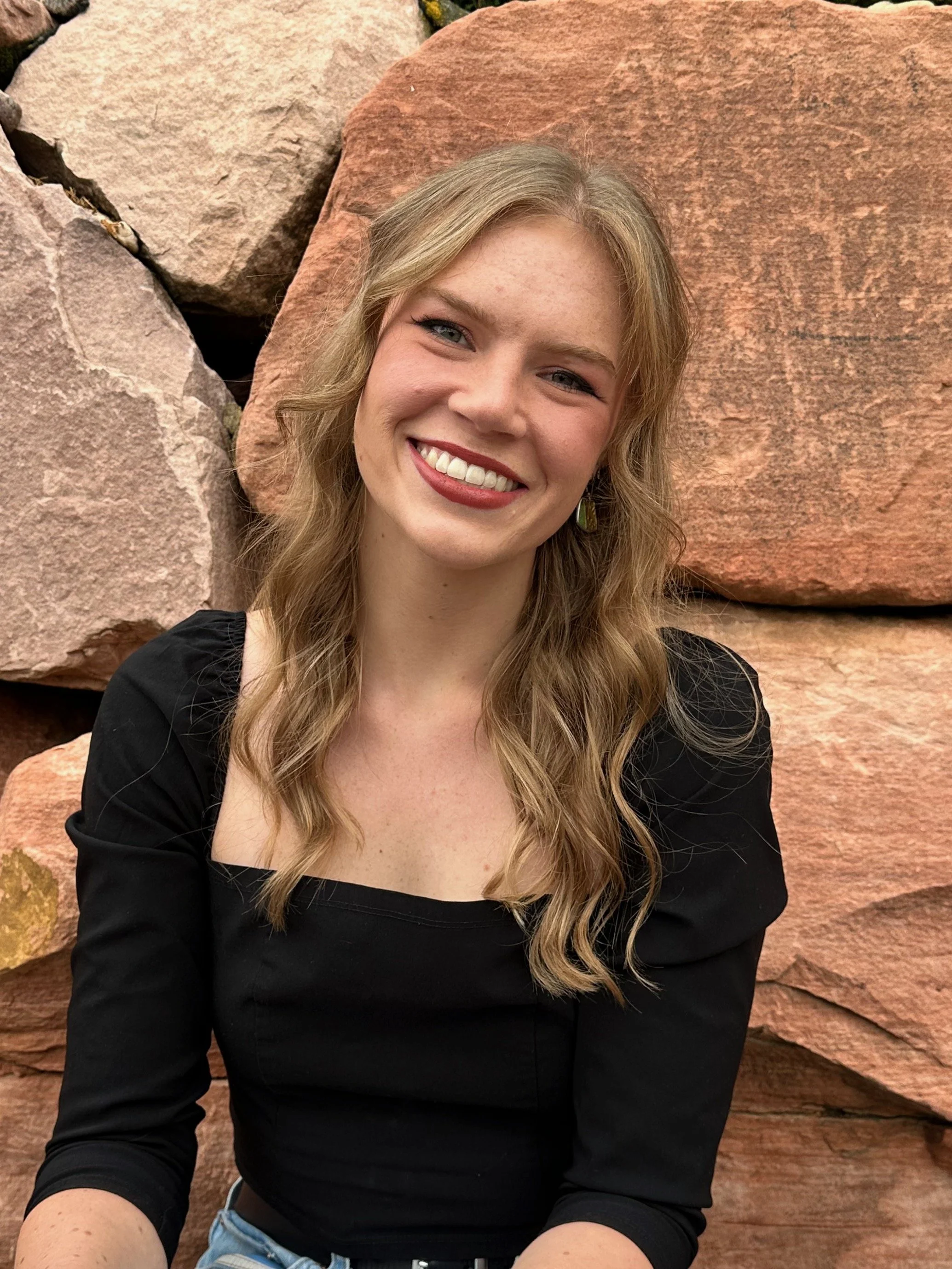
Marriage & Family Therapist Candidate
Types of Therapy Offered: Individual, Couples, Family, Child & Teen Therapy, LGBTQ+ Affirming Therapy
Areas of Focus: Relationship Patterns, Life Transitions, Communication & Conflict, Anxiety & Depression, Emotional Regulation
FAQ’s
-
Relational therapy is based on the idea that our relationships play a central role in shaping how we think, feel, and experience the world. Rather than focusing only on symptoms, relational therapy explores the patterns that develop within relationships and how those patterns influence emotional well-being, communication, and connection. By increasing awareness and creating new relational experiences, therapy can help people develop healthier ways of relating to themselves and others.
-
Family therapy can be beneficial whenever a family is experiencing ongoing conflict, communication challenges, life transitions, parenting concerns, or changes that are affecting the family as a whole. Rather than identifying one person as the problem, family therapy focuses on understanding how each person’s experiences and interactions influence the family system, helping everyone work toward healthier patterns of communication, connection, and support.
-
Starting therapy often involves slowing down and exploring your current challenges, emotional patterns, and relationship dynamics at a pace that feels manageable. The process is collaborative, meaning we work together to understand what you are experiencing and begin building new ways of relation to yourself and others.
Ready to Connect?
Looking for a different area of expertise? Meet the rest of our therapy team!
About Alyssa (she/her)
Relational therapist specializing in couples therapy, family therapy, attachment-informed care, and helping individuals navigate relationship challenges and life transitions.
I work with individuals, couples, and families who want to better understand themselves and their relationships. My approach is trauma-informed, collaborative, and grounded in a systemic perspective, which means I consider how our environments, histories, and relationships shape the ways we connect, communicate, and cope.
Therapy with me often involves slowing down and making sense of the patterns that show up—both internally and in relationships. Together, we might explore what drives certain reactions, how old patterns influence current challenges, or how protective parts of you learned to help you navigate difficult experiences. My focus is on fostering awareness, compassion, and the freedom to relate to yourself and others in new ways.
I often use Internal Family Systems (IFS)-informed techniques, which help clients connect with and better understand the different “parts” of themselves with curiosity and compassion. I also integrate the NeuroAffective Relational Model (NARM), which focuses on how early adaptive patterns can impact your sense of connection, emotional regulation, and relationships today. For couples, I use Emotionally Focused Therapy (EFT) and the Gottman Method to support emotional safety, effective communication, and stronger bonds. No matter the approach, I tailor our work to your needs and pace, creating space for honesty, reflection, and lightness.
My hope is that therapy feels like a supportive and approachable space where curiosity is encouraged, growth happens naturally, and all parts of you are welcome.